When it comes to protecting your teeth from cavities, dental sealants are a safe and effective option. But do dental sealants contain fluoride? The answer is yes.
Editor's Note: "does the sealent dentist use have flouride" was published on [Date].
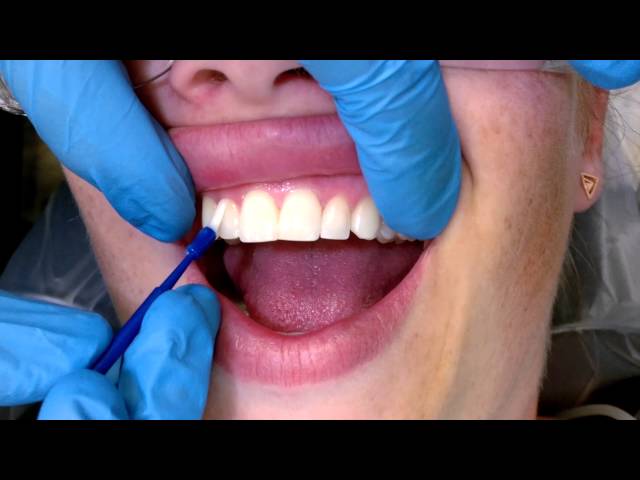
Dental sealants are made of a thin plastic material that is applied to the chewing surfaces of the back teeth. They work by creating a barrier between the teeth and the bacteria that cause cavities. Fluoride is a mineral that helps to strengthen teeth and prevent cavities. It is found in many dental products, including toothpaste, mouthwash, and dental sealants.
The fluoride in dental sealants helps to protect the teeth from cavities in two ways. First, it helps to strengthen the teeth by making them more resistant to acid. Second, it helps to kill the bacteria that cause cavities.
Dental sealants are a safe and effective way to protect your teeth from cavities. They are especially beneficial for children and teenagers, who are more likely to develop cavities. If you are interested in learning more about dental sealants, talk to your dentist.
Dental Sealants and Fluoride
Dental sealants are a safe and effective way to protect teeth from cavities. They are made of a thin plastic material that is applied to the chewing surfaces of the back teeth. Sealants work by creating a barrier between the teeth and the bacteria that cause cavities. Fluoride is a mineral that helps to strengthen teeth and prevent cavities. It is found in many dental products, including toothpaste, mouthwash, and dental sealants.
- Prevention: Sealants help to prevent cavities by creating a barrier between the teeth and the bacteria that cause cavities.
- Protection: Fluoride in sealants helps to protect teeth from cavities by strengthening them and killing bacteria.
- Safety: Sealants are a safe and effective way to protect teeth from cavities.
- Effectiveness: Sealants have been shown to be effective in preventing cavities in both children and adults.
- Durability: Sealants can last for several years, providing long-term protection against cavities.
- Cost-effective: Sealants are a cost-effective way to protect teeth from cavities.
Dental sealants are an important part of a comprehensive oral hygiene routine. They can help to protect teeth from cavities and keep your smile healthy for years to come.
Prevention
Dental sealants are a safe and effective way to prevent cavities. They are made of a thin plastic material that is applied to the chewing surfaces of the back teeth. Sealants work by creating a barrier between the teeth and the bacteria that cause cavities. Fluoride is a mineral that helps to strengthen teeth and prevent cavities. It is found in many dental products, including toothpaste, mouthwash, and dental sealants.
- Barrier Protection: Sealants create a physical barrier between the teeth and bacteria, preventing bacteria from adhering to the tooth surface and causing cavities.
- Fluoride Enhancement: Fluoride in sealants helps to strengthen the teeth and make them more resistant to acid attacks, further protecting against cavities.
- Reduced Plaque Accumulation: Sealants help to reduce plaque accumulation on the teeth, as bacteria have difficulty adhering to the smooth surface of the sealant.
- Long-Term Prevention: Sealants can last for several years, providing long-term protection against cavities, especially in areas that are difficult to clean with regular brushing and flossing.
Dental sealants are an important part of a comprehensive oral hygiene routine. They can help to protect teeth from cavities and keep your smile healthy for years to come.
Protection
Dental sealants are a safe and effective way to protect teeth from cavities. They are made of a thin plastic material that is applied to the chewing surfaces of the back teeth. Sealants work by creating a barrier between the teeth and the bacteria that cause cavities. Fluoride is a mineral that helps to strengthen teeth and prevent cavities. It is found in many dental products, including toothpaste, mouthwash, and dental sealants.
- Strengthening Teeth: Fluoride in sealants helps to strengthen teeth by making them more resistant to acid. Acid is a major cause of cavities, as it can dissolve the minerals in the teeth and create holes. Fluoride helps to protect teeth from acid by making them more resistant to its effects.
- Killing Bacteria: Fluoride in sealants also helps to kill the bacteria that cause cavities. Bacteria are the main cause of cavities, as they produce acids that can dissolve the minerals in the teeth. Fluoride helps to kill bacteria by disrupting their metabolism and preventing them from producing acids.
Overall, the fluoride in dental sealants helps to protect teeth from cavities in two ways: by strengthening the teeth and by killing bacteria. This makes dental sealants an important part of a comprehensive oral hygiene routine.
Safety
Dental sealants are made of a thin plastic material that is applied to the chewing surfaces of the back teeth. They work by creating a barrier between the teeth and the bacteria that cause cavities. Fluoride is a mineral that helps to strengthen teeth and prevent cavities. It is found in many dental products, including toothpaste, mouthwash, and dental sealants.
- FDA-Approved: Dental sealants are approved by the Food and Drug Administration (FDA) for use in children and adults. They have been shown to be safe and effective in preventing cavities.
- Non-Toxic: Dental sealants are made of a non-toxic material that is safe for use in the mouth. They do not contain any harmful chemicals that could damage the teeth or gums.
- No Drilling or Injections: Dental sealants are applied to the teeth without drilling or injections. This makes them a quick and painless procedure.
- Long-Lasting: Dental sealants can last for several years, providing long-term protection against cavities.
Overall, dental sealants are a safe and effective way to protect teeth from cavities. They are FDA-approved, non-toxic, and long-lasting. If you are interested in learning more about dental sealants, talk to your dentist.
Effectiveness
Dental sealants are a safe and effective way to protect teeth from cavities. They are made of a thin plastic material that is applied to the chewing surfaces of the back teeth. Sealants work by creating a barrier between the teeth and the bacteria that cause cavities. Fluoride is a mineral that helps to strengthen teeth and prevent cavities. It is found in many dental products, including toothpaste, mouthwash, and dental sealants.
- Reduced Cavity Risk: Studies have shown that dental sealants can reduce the risk of cavities by up to 80%. This is because sealants create a physical barrier between the teeth and the bacteria that cause cavities.
- Long-Term Protection: Dental sealants can last for several years, providing long-term protection against cavities. This makes them a cost-effective way to protect teeth from cavities.
- Effective for All Ages: Dental sealants are effective in preventing cavities in both children and adults. This is because sealants work by creating a physical barrier between the teeth and the bacteria that cause cavities, regardless of age.
Overall, dental sealants are a safe and effective way to protect teeth from cavities. They are especially beneficial for children and adults who are at high risk for developing cavities. If you are interested in learning more about dental sealants, talk to your dentist.
Durability
The durability of dental sealants is an important factor in their effectiveness. Sealants that last longer provide longer-term protection against cavities. Fluoride in sealants helps to strengthen the teeth and make them more resistant to acid attacks, which can lead to cavities. This means that sealants with fluoride can last longer and provide better protection against cavities.
Studies have shown that dental sealants can last for up to 10 years. This means that sealants can provide long-term protection against cavities, even in children who are at high risk for developing cavities. In fact, one study found that sealants were 90% effective in preventing cavities in children over a period of 10 years.
The durability of dental sealants is one of the reasons why they are such a good investment. Sealants are a cost-effective way to protect teeth from cavities, and they can save you money in the long run by preventing the need for more expensive dental treatments, such as fillings or crowns.
If you are interested in learning more about dental sealants, talk to your dentist. Sealants are a safe and effective way to protect teeth from cavities, and they can be a valuable part of a comprehensive oral hygiene routine.
| Characteristic | Importance |
|---|---|
| Durability | Provides long-term protection against cavities |
| Fluoride | Strengthens teeth and makes them more resistant to acid attacks |
| Cost-effectiveness | Prevents the need for more expensive dental treatments |
Cost-effective
Dental sealants are a cost-effective way to protect teeth from cavities. They are made of a thin plastic material that is applied to the chewing surfaces of the back teeth. Sealants work by creating a barrier between the teeth and the bacteria that cause cavities. Fluoride is a mineral that helps to strengthen teeth and prevent cavities. It is found in many dental products, including toothpaste, mouthwash, and dental sealants.
- Prevention: Sealants help to prevent cavities by creating a barrier between the teeth and the bacteria that cause cavities. This can save money in the long run by preventing the need for more expensive dental treatments, such as fillings or crowns.
- Durability: Sealants can last for several years, providing long-term protection against cavities. This means that sealants can save money by preventing the need for repeated dental treatments.
- Convenience: Sealants are a quick and painless procedure. They can be applied in a single visit to the dentist. This can save time and money compared to more extensive dental treatments.
Overall, dental sealants are a cost-effective way to protect teeth from cavities. They can save money in the long run by preventing the need for more expensive dental treatments. If you are interested in learning more about dental sealants, talk to your dentist.
FAQs About "does the sealent dentist use have flouride"
Dental sealants are a safe and effective way to protect teeth from cavities. They are made of a thin plastic material that is applied to the chewing surfaces of the back teeth. Sealants work by creating a barrier between the teeth and the bacteria that cause cavities. Fluoride is a mineral that helps to strengthen teeth and prevent cavities. It is found in many dental products, including toothpaste, mouthwash, and dental sealants.
Question 1: Do dental sealants contain fluoride?
Answer: Yes, dental sealants contain fluoride. Fluoride helps to strengthen teeth and prevent cavities.
Question 2: Are dental sealants safe?
Answer: Yes, dental sealants are safe. They are made of a non-toxic material that is safe for use in the mouth.
Question 3: Are dental sealants effective?
Answer: Yes, dental sealants are effective. Studies have shown that they can reduce the risk of cavities by up to 80%.
Question 4: How long do dental sealants last?
Answer: Dental sealants can last for several years. They are typically reapplied every 6 to 12 months.
Question 5: Are dental sealants expensive?
Answer: Dental sealants are a cost-effective way to protect teeth from cavities. They can save money in the long run by preventing the need for more expensive dental treatments.
Question 6: Who should get dental sealants?
Answer: Dental sealants are recommended for children and adults who are at high risk for developing cavities. This includes people who have deep pits and fissures in their teeth, people who have a history of cavities, and people who wear braces.
Dental sealants are an important part of a comprehensive oral hygiene routine. They can help to protect teeth from cavities and keep your smile healthy for years to come.
If you have any questions about dental sealants, talk to your dentist. They can help you decide if dental sealants are right for you.
Tips for "does the sealent dentist use have flouride"
Dental sealants are a safe and effective way to protect teeth from cavities. They are made of a thin plastic material that is applied to the chewing surfaces of the back teeth. Sealants work by creating a barrier between the teeth and the bacteria that cause cavities. Fluoride is a mineral that helps to strengthen teeth and prevent cavities. It is found in many dental products, including toothpaste, mouthwash, and dental sealants.
Tip 1: Get sealants as soon as possible. Sealants are most effective when they are applied to teeth that are free of cavities. This is because sealants work by creating a barrier between the teeth and the bacteria that cause cavities. If there is already a cavity present, the sealant will not be able to seal out the bacteria and prevent further decay.
Tip 2: Brush and floss regularly. Even though sealants can help to protect teeth from cavities, it is still important to brush and floss regularly. This will help to remove plaque and bacteria from the teeth and gums. Plaque is a sticky film that can build up on the teeth and cause cavities. Bacteria can cause gum disease and other oral health problems.
Tip 3: Eat a healthy diet. Eating a healthy diet can help to keep your teeth and gums healthy. Limit your intake of sugary foods and drinks, as these can contribute to tooth decay. Eat plenty of fruits, vegetables, and whole grains. These foods are good for your overall health and can help to keep your teeth and gums healthy.
Tip 4: See your dentist regularly. Regular dental checkups are important for maintaining good oral health. Your dentist can check your teeth for cavities and other problems. They can also clean your teeth and apply sealants to help protect them from cavities.
Tip 5: Ask your dentist about fluoride treatments. Fluoride treatments can help to strengthen teeth and prevent cavities. Your dentist can apply fluoride treatments to your teeth during your regular dental checkups. You can also use fluoride toothpaste and mouthwash to help protect your teeth from cavities.
Following these tips can help you to maintain good oral health and keep your teeth healthy for life.
For more information on dental sealants, talk to your dentist.
Conclusion
Dental sealants are a safe and effective way to protect teeth from cavities. They are made of a thin plastic material that is applied to the chewing surfaces of the back teeth. Sealants work by creating a barrier between the teeth and the bacteria that cause cavities. Fluoride is a mineral that helps to strengthen teeth and prevent cavities. It is found in many dental products, including toothpaste, mouthwash, and dental sealants.
Dental sealants are most effective when they are applied to teeth that are free of cavities. Sealants can last for several years, but they should be reapplied every 6 to 12 months to ensure continued protection. In addition to sealants, it is important to brush and floss regularly, eat a healthy diet, and see your dentist regularly for checkups and cleanings. By following these tips, you can help to keep your teeth healthy for life.
Youtube Video:




No comments:
Post a Comment