Table Of Content

Your research design choices should be driven by your aims and priorities – start by thinking carefully about what you want to achieve. Capture snapshots of reality with Cross-Sectional Studies, unraveling intricate relationships and disparities between variables in a single moment. Embark on longitudinal journeys with Longitudinal Studies, tracking evolving trends and patterns over time.
International students2
A qualitative research method that aims to develop theories or explanations grounded in the data collected during the research process. Combines qualitative and quantitative research methods to provide a more holistic understanding of a research problem. The first year is graded as pass/fail (with extensive feedback), providing a supportive learning environment that supports exploration, experimentation, taking risks and making mistakes as a core component of design practice.
Action Research Design
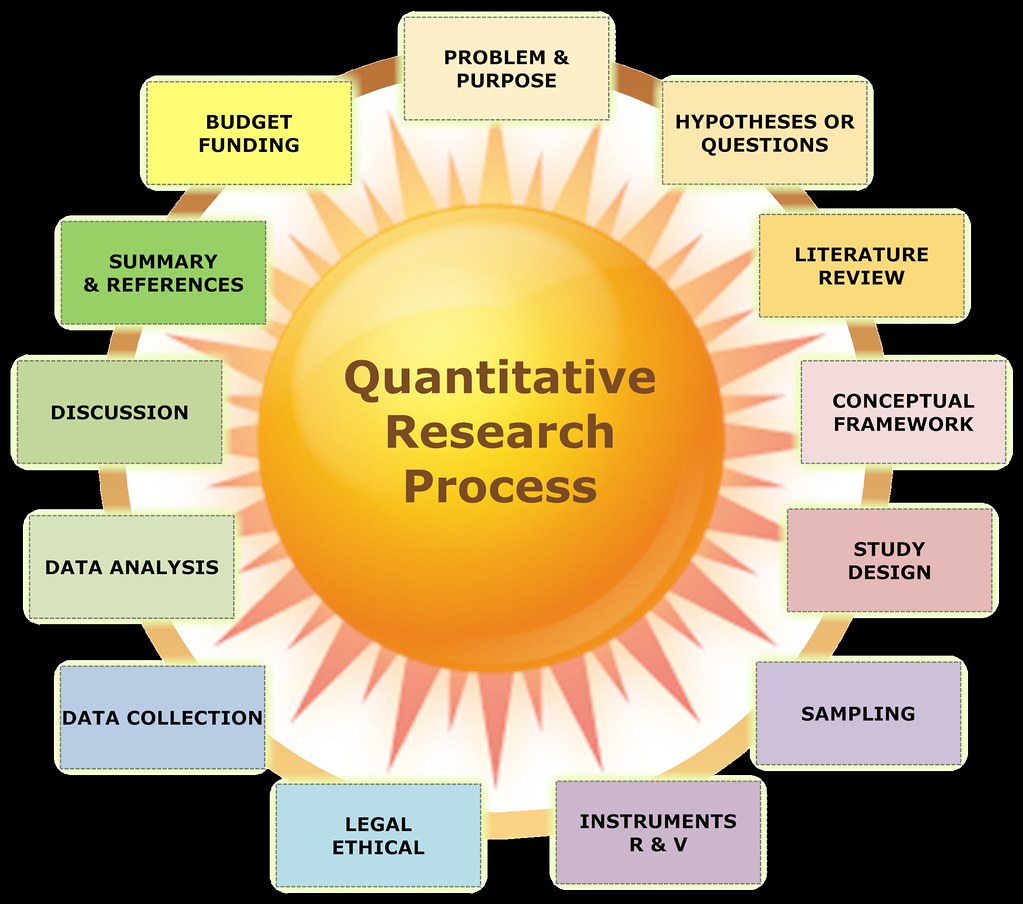
With this raw data, you can do your own analysis to answer new research questions that weren’t addressed by the original study. Even with a narrowly defined population, it’s rarely possible to collect data from every individual. A population can be made up of anything you want to study – plants, animals, organisations, texts, countries, etc. In research, a population is the entire group that you want to draw conclusions about, while a sample is the smaller group of individuals you’ll actually collect data from. Your research design should clearly define who or what your research will focus on, and how you’ll go about choosing your participants or subjects.
Step 1: Consider your aims and approach
The module develops students’ understanding of reverse engineering, mass manufacture design requirements and related design optimisation techniques. The focus of the module is on developing both an intellectual awareness and a practical application of design process methods, ideas generation and communication techniques and creative conversations. As well as studio-based design skills, you will gain extensive expertise in 3D CAD, physical prototyping and design for manufacture. We will help you to understand the wider context that surrounds our subject, developing the theoretical and practical skills, experiences and attitudes needed to enter the profession, across a wide range of sectors and emerging practices. Most of our U.S. surveys are conducted on the American Trends Panel (ATP), Pew Research Center’s national survey panel of over 10,000 randomly selected U.S. adults.
Doing so allows you to observe the effect of the former on the latter and draw conclusions about potential causality. For example, if you wanted to explore the relationship between exercise frequency and overall health, you could use a correlational design to help you achieve this. In this case, you might gather data on participants’ exercise habits, as well as records of their health indicators like blood pressure, heart rate, or body mass index. Thereafter, you’d use a statistical test to assess whether there’s a relationship between the two variables (exercise frequency and health). There are many other ways of analysing qualitative data depending on the aims of your research. To get a sense of potential approaches, try reading some qualitative research papers in your field.
It involves collecting data at multiple time points and analyzing the changes that occur. The aim of longitudinal research is to provide insights into the development, growth, or decline of a particular phenomenon over time. Case study research design is used to investigate a single case or a small number of cases in depth.
Developmental Psychology Research Methods - Verywell Mind
Developmental Psychology Research Methods.
Posted: Wed, 01 Nov 2023 07:00:00 GMT [source]
Qualitative interviews will be conducted with Medicaid managed care administrators and obstetric and pediatric providers, and focus groups will be conducted among Medicaid beneficiaries. Quantitative data on healthcare utilization, healthcare quality, and health outcomes among pregnant and parenting people will be extracted from administrative Medicaid healthcare data. Primary outcomes are stakeholder perspectives on policy intervention implementation (qualitative) and timely prenatal care, pregnancy and birth outcomes, and well-child visits (quantitative). Quantitative analyses will use an interrupted time series design to examine changes over time in outcomes among Black people, relative to people of other races, before and after adoption of the Pennsylvania Medicaid equity-focused policy interventions.
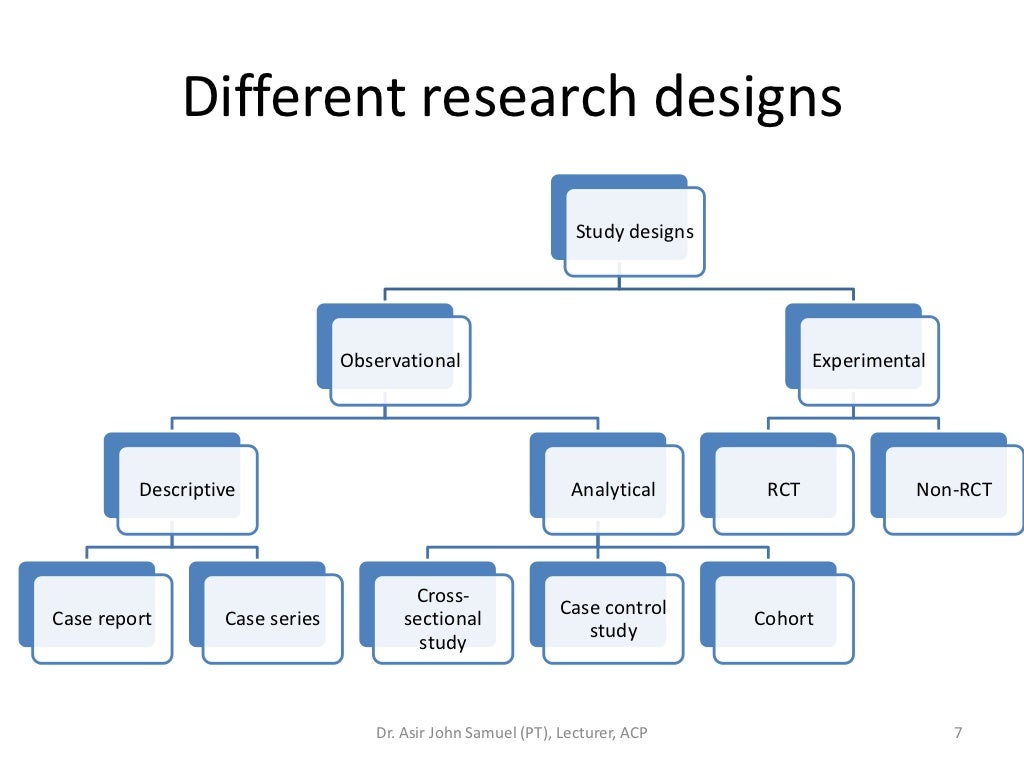
There are no inferences obtained and therefore cannot be generalized to the population which is a limitation. Most often than not, a series of case reports make a case series which is an atypical presentation found in a group of patients. This in turn poses the question for a new disease entity and further queries the investigator to look into mechanistic investigative opportunities to further explore.
Data is collected primarily via observational techniques, formal and informal interaction with participants in that culture, and personal field notes, while data analysis involves ‘sense-making’. The researcher must narrate her experience in great detail so that readers may experience that same culture without necessarily being there. The advantages of this approach are its sensitiveness to the context, the rich and nuanced understanding it generates, and minimal respondent bias.
The Humanities Research Institute at the University of Illinois Urbana-Champaign has awarded its annual Summer Faculty Fellowships to ten faculty members for 2024. These fellowships are designed to help faculty maximize the summer in service of their ongoing professional development. They provide an infusion of resources to jump start or fuel an ongoing research project, undertake course development, or pursue a professional training opportunity over the summer months.
You will graduate from the programme with a portfolio of work that demonstrates your own creativity, process and skillset, culminating in a final-year project tailored to the pathway you want to take into the profession. You will have the opportunity to showcase yourself as a designer through our final-year exhibitions. Through project-based practice, we will support you with the experience, advice, feedback and encouragement you need to grow as a product designer. Develop the confidence, knowledge, skills and experience to launch a successful career across the product design sector.
This also ensures comparability between groups as most baseline characteristics are similar prior to randomization and therefore helps to interpret the results regarding the intervention/experiment group without bias. In clinical research, our aim is to design a study which would be able to derive a valid and meaningful scientific conclusion using appropriate statistical methods. The conclusions derived from a research study can either improve health care or result in inadvertent harm to patients.




No comments:
Post a Comment